Blogs
Community, costs and technology in UK hospitality
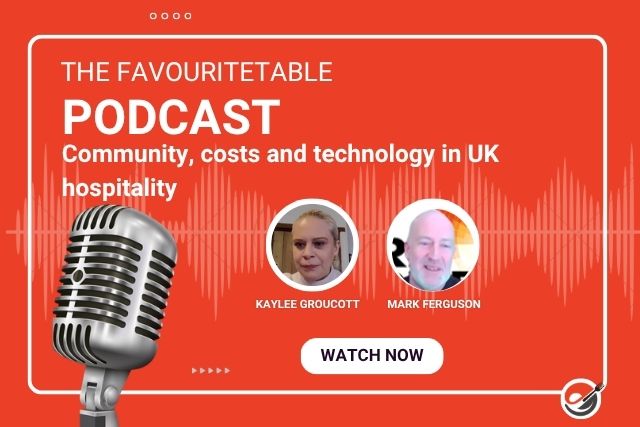


Favouritetable’s conversations with restaurant operators continue as Mark Ferguson speaks with Kaylee Groucott, Owner of The Bird in Hand family-run freehouse and restaurant, located just south of Norwich, about the challenges and opportunities facing the hospitality sector today.
Mark Ferguson, Favouritetable: Can you tell us about your journey into hospitality and The Bird in Hand?
Kaylee Groucott, The Bird in Hand: Like many people, I started young. I was 16 and needed some extra money. The Bird in Hand was actually my first job, washing cutlery and glasses. I worked my way up through front-of-house roles, and although my early career took me into food manufacturing and working with large-scale suppliers and events, I always stayed connected to hospitality. In November 2024, we bought the pub, so it’s quite special to now own the place where I started.
Q: What defines The Bird in Hand as a business today?
A: We’re a true community pub. Being in a rural village, we’re very much the heart and hub of local life. People don’t just come in for food and drink—they come for connection, conversation, and familiarity. For some of our regulars, we might be the only people they speak to that day. That sense of belonging is incredibly important, and we work hard to make sure everyone feels known, welcomed, and valued.
Q: What are the biggest challenges you’re currently facing?
A: Costs are the biggest pressure, across the board. Wages, taxation, supplier prices, and especially energy. We run on oil, and our monthly costs have jumped from around £1,300 to £3,000, which is a huge hit. Electricity is also extremely high, and those costs ripple through the entire supply chain, including our local farmers and producers.
Even when you manage to turn a profit, you’re then hit with corporation tax. It’s relentless. The structure of VAT is another issue—we take raw, often VAT-free ingredients and turn them into finished dishes, but then we have to charge VAT on top. It all adds up and makes it a very tough environment to operate in.
Q: If you could ask government for change, what would you prioritise?
A: Two key areas: VAT and employment. Compared to Europe, where hospitality VAT is often around 10–12%, the UK is significantly higher. That needs reviewing.
Secondly, we need to make hospitality an attractive and viable career path for young people. We employ a lot of young staff, and it’s a fantastic industry to learn life skills, including teamwork, communication, working under pressure. But rising minimum wages are making it harder to offer those opportunities at scale. Short-term grants aren’t the answer. We need long-term thinking that supports both employers and employees.
Q: How are you adapting your business to succeed in this environment?
A: You have to give people more than one reason to visit. It’s not enough to just serve food and drink anymore. We’ve really leaned into events like live music, comedy nights, and soon beer festivals. That’s been a big driver for us, especially in a rural area where people need a reason to leave home.
We also use social media to extend our reach and make The Bird in Hand a destination venue. But above all, it comes down to service. With rising prices, customers expect more value, not just on the plate, but in the overall experience. That means exceptional service, remembering names, understanding occasions, and making every visit feel special.
Q: How important is understanding your customers in this process?
A: It’s absolutely critical. We constantly talk to our customers, asking why they chose us, what they like, what we could improve. We take all feedback seriously. The good gets repeated consistently, and anything negative is addressed immediately. That culture of listening and adapting keeps us improving and keeps customers coming back.
Q: What would you say sets your food and offering apart?
A: We focus heavily on local, East Anglian produce. Our pie of the day is a real favourite—proper, hearty, pastry-topped comfort food. Fish and chips is another staple, given our proximity to the coast. And our Norfolk Cromer crab is a standout on the summer menu.
We’re also working towards a more sustainable approach, including developing a “48-mile menu” that sources ingredients from within that radius—keeping things local, fresh, and environmentally conscious.
Q: How has Favouritetable supported your business?
A: It’s been a game changer. We were looking for a system to streamline bookings and reduce admin time, and Favouritetable ticked every box. The training and support were excellent, and we saw the benefits almost immediately.
The table view alone has transformed how we manage service. Before, it was guesswork—now we can instantly see availability, manage walk-ins efficiently, and give accurate wait times. That’s improved both customer experience and team confidence.
Q: More broadly, what role does technology play in your operation today?
A: It’s essential. From EPOS systems tracking stock and margins to rota and clocking systems replacing paperwork, technology underpins everything. With Favouritetable specifically, it’s not just about bookings, it’s about customer insight.
We can see how often guests visit, track preferences, and note special occasions like birthdays or anniversaries. That allows us to personalise service in a really meaningful way. Even small details, like knowing a guest is bringing a dog, mean we can prepare in advance and elevate their experience.
Q: Does technology replace the human element in hospitality?
A: Not at all, it enhances it. The whole point is that it frees up time. Instead of being stuck doing admin, we can be on the floor, talking to customers, building relationships, and delivering better service. That’s where the real value lies.
Q: Looking ahead, what are your expectations for the sector over the coming months?
A: It’s going to remain challenging, there’s no doubt about that. Costs aren’t going away anytime soon. But there’s also opportunity for businesses that are willing to adapt, innovate, and really focus on their customers.
For us, it’s about continuing to build that community feel, expanding our events, refining our offering, and making sure every customer leaves happy. If we can do that consistently, we’ll be in a strong position, whatever the wider economy throws at us.
Find out more about The Bird in Hand: