Blogs
Why do guests hate waiting for a table, and how can a restaurant manage it?
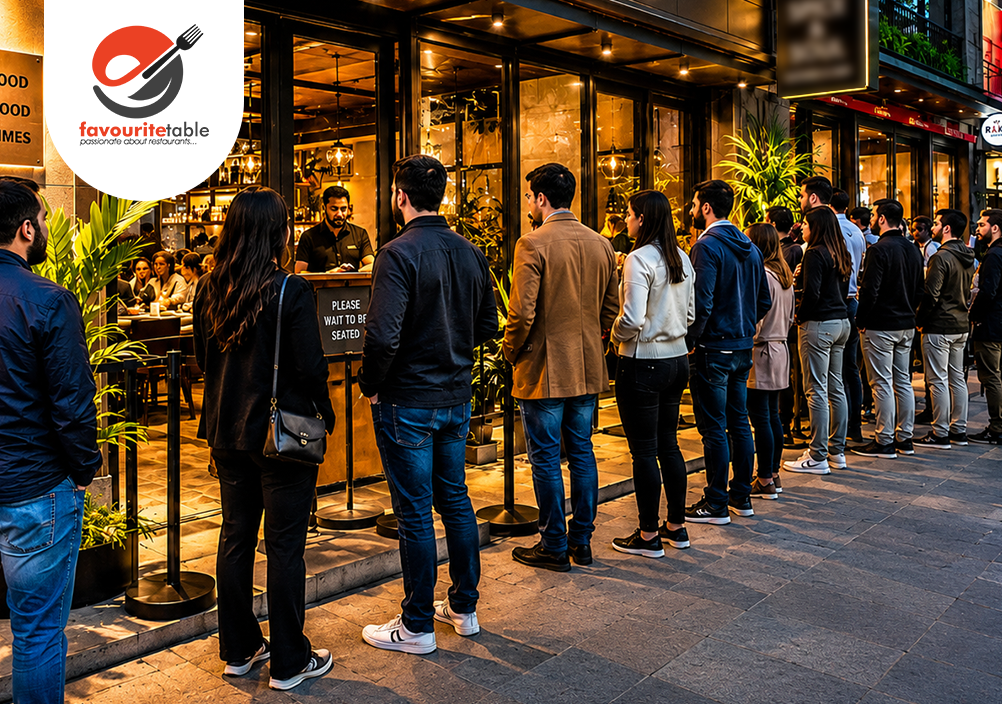


No one likes waiting, especially when they are hungry. Waiting at a restaurant can cause irritability and leave a bad first impression.
Why do guests hate waiting (The Psychology)
David Maister, a leading expert on the psychology of queues, wrote that “Occupied Time Feels Shorter Than Unoccupied Time”. (https://davidmaister.com/blog/201/the-psychology-of-waiting-lines.html). When guests are left waiting in a busy restaurant entryway with nothing to do, multiple psychological factors trigger their frustration:
Unoccupied Time
We all face similar situations at the airport or train station, and we have nothing to do but wait. As a result, this creates frustration, and even a 30-minute wait can feel much longer—like one hour—when we are occupied.
The "Unfair" Wait
We all feel it is unfair when we wait for a table and other visitors arrive and get seated before us because they have already booked it. This is one of the quickest ways to infuriate a hungry guest.
Pro Tip: To avoid overbooking or long waits, Favouritetable table-booking and table-management system is a must-have for a busy restaurant. It eliminates guesswork and provides accurate communication with guests.
Uncertainty
Uncertainty brings frustration, and even a short wait can feel longer. Saying “wait for a few more minutes” is worse than saying firmly, “It will be ready in 20 minutes.”
Anxiety About the Visit
Guests come for a specific dish or menu; if the wait is longer than expected, they may worry about missing those special dishes or menu items.
These psychic factors are a major source of dissatisfaction and a negative experience at the venue. As a result, a restaurant cannot afford a bad reputation, especially within a competitive market and on tight margins.
A question arises here: How can a restaurant effectively manage waiting and avoid a bad reputation?
Managing waiting effectively is one of the most challenging tasks the restaurant industry faces. A restaurant should look into two aspects of managing waiting: reducing actual wait times and boosting perceived wait times.
Here are five important ways to reduce and manage waiting time.
1. Modern Technology to Take Control
2. Accurate Time Slot or Slightly Overestimate
3. Implement the Holding Bar Strategy
4. Harness the Power of the Amuse-Bouche
5. Quick communication
1. Modern Technology to Take Control
A modern restaurant booking system, such as Favouritetable, helps your venue manage waitlists. It lets you create a QR code and place it on the bar or in the waiting area. A waiting guest can scan the QR code and add themselves to the waiting list. The Favouritetable system then notifies them when the table is available. As a result, guests know exactly how long it will take, so they are not uncertain about table availability.
2. Accurate Time Slot or Slightly Overestimate
Providing accurate table availability reassures guests, so they can wait without anxiety. However, slightly overestimating the time—for example, saying “the table will be ready in 20 minutes” when it is ready in 15 minutes—can promote goodwill.
3. Implement the Holding Bar Strategy
A holding bar, or waiting bar, strategy not only maximises revenue but also manages waiting effectively. When guests are waiting for a table, explicit communication is essential, such as “Your table will be ready in 15 minutes; meanwhile, feel free to grab a drink at our bar.” In this way, guests feel acknowledged and are happy to wait.
4. Harness the Power of the Amuse-Bouche
An amuse-bouche is a French term meaning “mouth amuser.” It is an unexpected first taste, not something anyone would order or pay for. However, it is a good way to entertain guests while they wait and make them feel acknowledged. When the wait exceeds the quoted time, the manager should offer a small complimentary bite or a glass of wine as a sample. It shows the value of waiting and managing the hangry effect.
5. Quick communication
Hosts should actively communicate with guests who are waiting. Even saying a few lines like “your table will be ready in 5 minutes; we are just cleaning it” eliminates uncertainty and gives guests assurance.
The thumb rule is that guests will forgive a long wait if they obtain timely, valued communication and feel comfortable. The guests will never forget the experience if they are ignored.